Showing posts with label knee arthritis. Show all posts

Wednesday, February 18, 2009

PRP Platelet Rich Plasma Therapy Blood Injection Featured on ABC's Good Morning America


Technorati blog directory


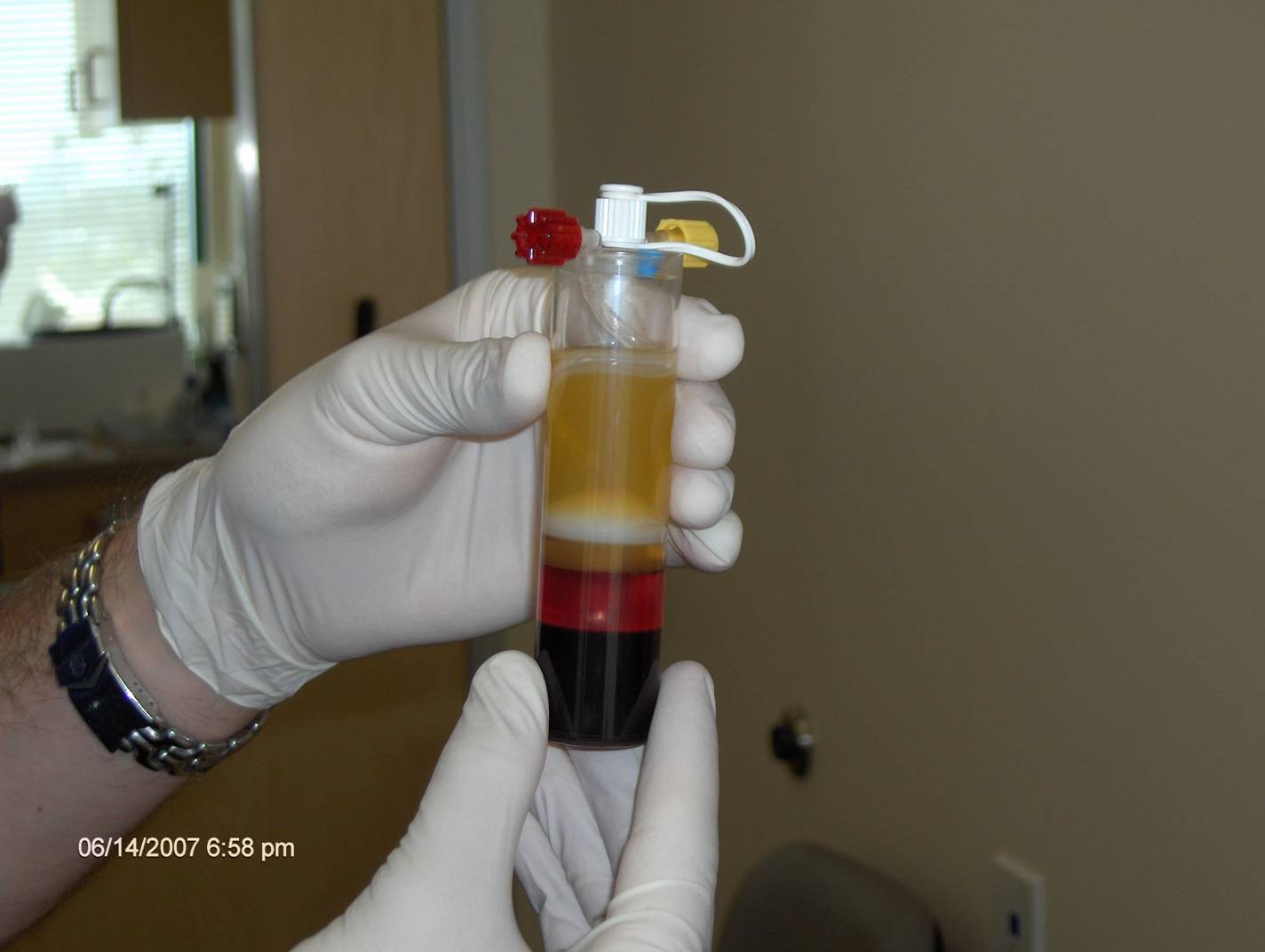
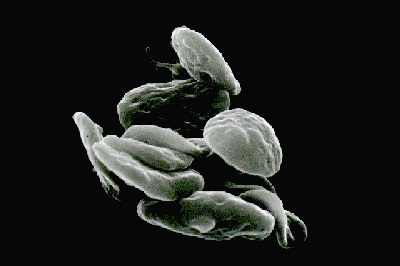
PRP is getting a lot of attention in the media lately...here is a link from Good Morning America. This treatment speaks to the concept that the body has a remarkable ability to heal itself. Through innovative technology, we are revolutionizing how we address treatment of tendon and cartilage injuries.

http://abcnews.go.com/Health/PainNews/Story?id=6895441&page=1

Monday, February 16, 2009

New York Times Article published on PRP blood injection Platelet Rich Plasma Therapy: Athletes’ Own Blood Could Nurse Them to Health


Technorati blog directory
Following the mention of Hines Ward receiving a PRP injection to allow him to perform in the super bowl, there has been an increased interest in understanding this treatment. Recently I was interviewed by New York Times reporter Alan Schwarz and extensively contributed to the article which will be published in tomorrow morning's New York Times in section A1.


http://www.nytimes.com/2009/02/17/sports/17blood.html?_r=1

The article raises awareness that PRP is a cost effective and safe means of accelerating healing naturally without surgery. However I feel that PRP treatment represents only the beginning in a promising field known as "orthobiologics." I will be at the 4th annual Stem Cell Summit In New York City Feburary 17, 2008. The leading biologic and stem cell companies, physicians, and scientists will converge to share our latest work. I will post an update on the presentations and will soon give a grand rounds on stem cell & biologic progress.

I'm thrilled that (PRP) Platelet Rich Plasma Therapy is beginning to capture the public and medical community's attention. I hope to continue to train & educate physicians to expand the application of this innovative treatment in tendon and cartilage injuries. I hope to publish data from a PRP study on knee osteoarthritis this year.

Dr Steven Sampson
www.orthohealing.com

Sunday, October 5, 2008

LA Times article emphasizes non surgical approach to arthritis


ar
Technorati blog directory
Following the well publicized NEJM article suggesting the ineffective role of arthroscoopy in arthritis, many are looking for alternative treatments that are cost effective with little risk. This article from the LA Times highlights some options including an exercise program, physical therapy modalities, and weight loss. While I agree that physical therapy is beneficial, as is maintaining an active lifestyle; often we need to address the internal biochemical environment of the joint. This may be achieved with Platelet Rich Plasma Therapy. Our knee arthritis clinical trials continue to show promising results in most cases. I have the 3 mo data in & I am collecting 6 mo data in a few weeks from now. These results will be published.

http://www.latimes.com/features/health/la-he-knees22-2008sep22,0,42582.story

Sunday, September 14, 2008

New knee arthritis study suggests arthroscopies are ineffective


Technorati blog directory

Despite the predominance of knee arthritis in the US, there are few good options for patients hoping to relieve pain & improve function. Physical therapy can help to increase muscle tone to the quadriceps muscles to reduce excessive workload on the joint. Also inflexible muscles can be stretched to restore the normal kinetic chain to reduce pain & prevent further aggravation of symptoms. Orthotics & braces may decrease the mechanical forces that are adding stress on the joint. However these treatments will not influence the underlying inner cartilage defects and biochemical environment.

Knee arthroscopies are quite popular and certainly have a role in particular cases including severe meniscus and ACL tears. However in a recent study in the New England Journal of Medicine, there was no demonstrable benefit of knee arthroscopies for moderate to severe knee arthritis compared to physcial therapy and medications. 92 surgical patients and 86 controls (Physical therapy & medications) were compared over 2 years.


http://content.nejm.org/cgi/content/short/359/11/1097

The article was reviewed recently in the LA Times.
http://www.latimes.com/news/nationworld/nation/la-sci-knee11-2008sep11,0,1198164.story

This article should raise awareness that we need to develop innovative approaches to maximize healing in an increasingly active population. Over 27 million Americans have osteoarthritis.

We are performing Platelet Rich Plasma Injection Grafts in hip and knee arthritis with encouraging results. The field of orthobiologics is rapidly growing and promises to deliver new approaches to treating tendon and cartilage disorders. In my practice we are treating meniscal tears immediately to accelerate healing. Many patients do not need an arthrocsopy after 2 months of the PRP graft and physical therapy. By potentially avoiding surgical meniscal repairs, we hope to reduce the incidence of subsequent arthritis. We are conducting studies to further refine the treatment to achieve a maximal result.

Sunday, May 4, 2008

New PRP Platelet Rich Plasma Knee Arthritis Study


Technorati blog directory
We are beginning clinical trials of Platelet Rich Plasma (PRP) injections in patients suffering with knee arthritis. There is an increasing "boomer" population with earlier knee arthritis as a result from prior trauma including meniscal tears & arthroscopies with scarring and cartilage loss etc. This phenomenon is termed "chondropenia." We are searching for non-invasive alternatives to knee replacements in these active individuals.

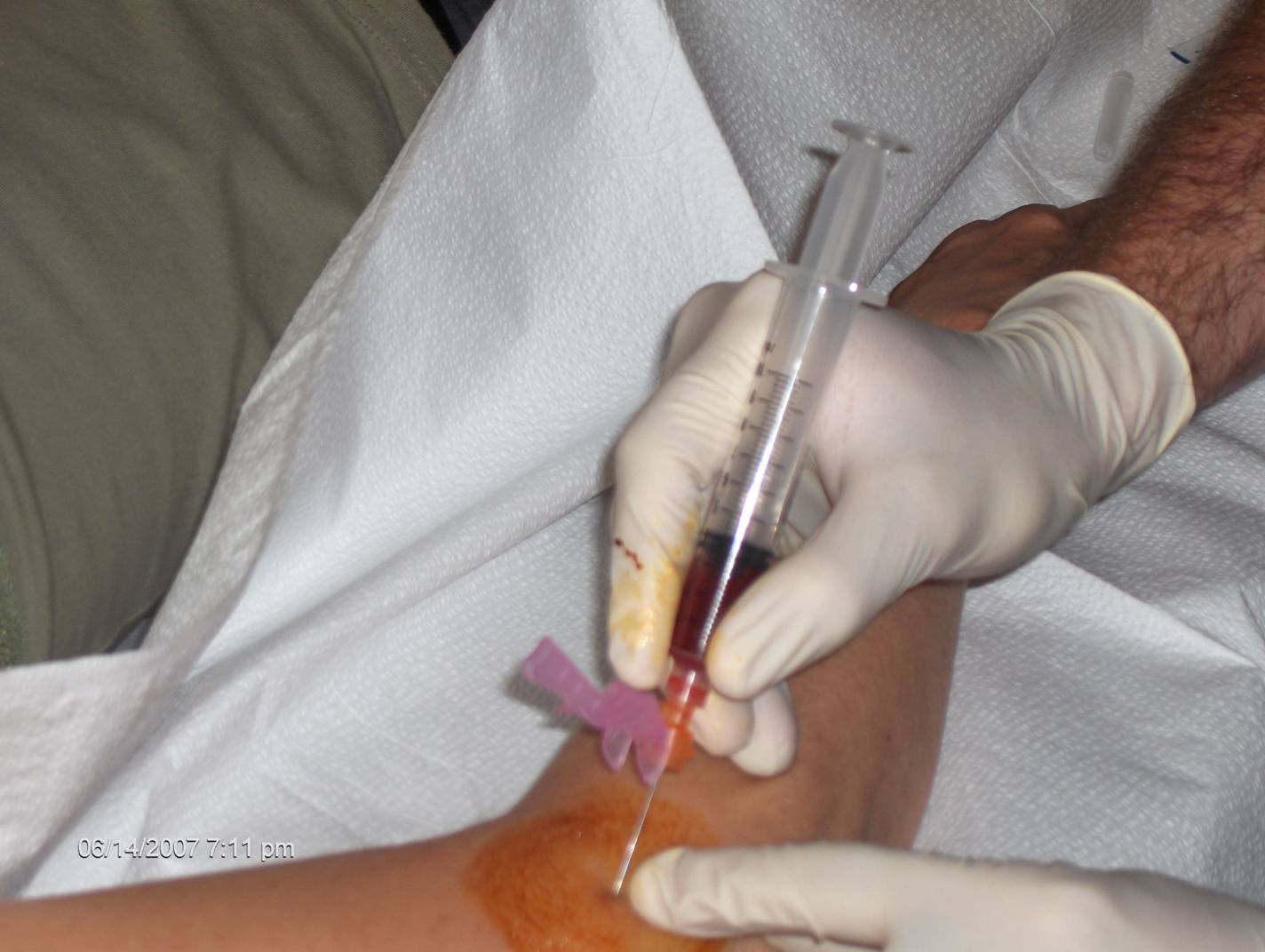
Patients will receive a series of injections under ultrasound guidance to insure proper placement. X-rays and MRI's, are taken into account & cartilage growth will be measured on serial ultrasound evaluations. Multiple pain score measures will be recorded as well. We plan on publishing this data so that the medical community can learn more about the promising role of PRP injections in cartilage disorders.

Tuesday, February 26, 2008

New Platelet Rich Plasma (PRP) review article for tendon injuries and arthritis


Technorati blog directory

In a Jan/Feb 08 issue of Practical Pain Management, the authors describe PRP use in tendon injuries, spine conditions, as well as hip & knee arthritis. The article emphasizes a need for agreed upon nomenclature.

An interesting concept addressed is whether a gel matrix is needed for the platelets to adhere to the target site. Because of their structure tendons & ligaments may not require the gel, however it is not known if adding calcium chloride with thrombin to the PRP is needed in joint spaces like knee & hip arthritis. Further data needs to compare the usage with gel versus without.

The article showed x-rays post prp injection with subtle smoothing of a previously arthritic femoral head (hip bone). It is not clearly known how PRP acts on arthritis, however a particular growth factor found in PRP, TGF-B has been linked to cartilage growth (chondrogenesis). Furthermore, another study showed that PRP influences hyauloronic acid production which balances cell proliferation (angiogenesis). Also, the authors suggested a possible role in serotonin decreasing pain. Lastly, utilizing "stem cells" (the birth place of platelets and their precursors)may offer the most ultimate potential.

http://www.ppmjournal.com/abstract.asp?articleid=P0801F01

http://prpinjection.blogspot.com/2007/11/new-article-on-osteoarthritis-and.html

Sunday, November 18, 2007

New Article on Osteoarthritis and Platelet Rich Plasma


Technorati blog directory

A European Study from Oct 07' by Anitua & Sanchez et al. injected 10 osteoarthritic patients with PRP & studied the cellular effects of PRP. They found an increase in hyaluronic acid concentration, balancing cell proliferation (angiogenesis). However, there was no effect on IL 1-B, which generally plays a role in osteoarthritis. This information gives us insight into how PRP may potentially benefit arthritis.

Platelet-released growth factors enhance the secretion of hyaluronic acid and induce hepatocyte growth factor production by synovial fibroblasts from arthritic patients

http://rheumatology.oxfordjournals.org/cgi/content/abstract/kem234v1

It's important that we better understand the mechanism that PRP may potentially benefit arthritis. New insights may direct more specific treatments in the exciting realm of Biologics.

Thursday, November 1, 2007

American Academy of Orthopedic Surgeons New Article on Biologics


Technorati blog directory

"Orthobiologics" or "biologics" are quickly becoming recognized amongst the sports medicine/orthopaedic community as one of the fastest growing industries with tremendous potential. Merging our understanding of how the body heals itself with cutting edge modern technology, we are developing exciting alternatives to standard care.

In the Sept 07 AAOS (American Academy of Orthopedic Surgeons) Now Magazine, there was an article discussing this very subject matter. "Biologics in sports medicine: from BMPs to bone formation."

http://www.aaos.org/news/bulletin/sep07/clinical5.asp

The article describes this Field of "biologics" and cell based therapies to create new approaches to treating old injuries. Tems introduced include BMP (bone Morphogenic Protein and mesenchymal stem cells). These may be paramount to facilitating healing in various injuries including rotator cuff cuff tears in the shoulder and knee arthritis and meniscal tears. As the community of "babyboomers" and recreational ahletes grow, we are seeing younger patients with cartilage injuries that are too young (<60) years for knee replacements. Thus biologic solutions provide promise in this population base.

At my practice, Santa Monica Orthopaedic & Sports Medicine Group we are beginning to treat patients with knee arthritis with a series of PRP injections. I have been corresponding with Physicians from Bologna Italy to learn from their early experiences as well. There is a link to their data on my blog. We are conducting outcome studies on the many patients we have injected for various injuries. Furthermore we hope to perform a knee arthritis PRP study in the near future. In general we are seeing tremendous outcomes in patients that have failed conservative treatments and were considering surgery or activity modification.

http://prpinjection.blogspot.com/2007/10/new-studies-on-platelet-rich-plasma-and.html

New Platelet Rich Plasma Article in the American Academy of Orthopaedic Surgeons Now Magazine


As PRP use is increasing, we are seeing more articles surfacing discussing it's potential benefits. In a monthly publication for orthopaedists, the AAOS (Amer Academy of Orthopaedic Surgeons) released an article titled "Clinical use of Platelet-rich plasma in orthopaedics."

http://www.aaos.org/news/bulletin/sep07/research2.asp

In general, the article familiarizes the reader with the science behind it's uses and advocates is use in soft tissue and wound repair, while cautioning it's application in bone grafting. Once again, further research is encouraged.

Thursday, October 11, 2007

Knee Arthritis Helped with Platelet Rich Plasma, Warsaw, Poland Oct 07'


- Utilization of Platelet-derived growth factors for the treatment of cartilage degenerative pathology Clinical research / Knee (Chondral and Osteochondral defects)

E. Kon, G. Filardo, M. Lo Presti, M. Delcogliano, F. Iacono, C. Montaperto, M. Marcacci; Bologna/IT
Purpose
The influence of the growth factors on cartilage repair is not yet widely studied and its application in clinics is still experimental. PRP (Platelet Rich Plasma) is a natural concentrate of autologous growth factors and actually is widely experimented in different fields of medicine. The method is simple, low cost and minimally invasive. The aim of our study is to determine the short-term effect of PRP in cartilage degenerative pathology.
Methods and Materials
30 symptomatic patients (40 knees) were treated with autologous PRP intra-articular injections for degenerative cartilage pathology. Mean age of the patients was 51 years (range:35y to 80y). 3 injections were performed every 3 weeks. All patients were clinically evaluated at the end of the treatment and at 6 months follow up. IKDC, SF36, EQ-VAS, scores were used for clinical evaluation and patient stisfaction and functional status were also recorded.
Results
Statistically significant improvement of all scores was detected after treatment and was maintained at 6 months. Subjective IKDC evaluation showed a significant score enhancement from 37,9 before the treatment to 59,0 after the treatment. Significant correlation of clinical outcome with patients age was found. While the group of patients less then 60 years old have shown 85% of improvement, the group of patients over 60 showed only 30% of improvement of clinical outcome.

Conclusions
Our study have demonstrated a positive effect of treatment of degenerative cartilage pathology with Platelet-derived growth factors in middle-age patients (<60y) at short term. Medium-long term studies are needed to confirm the durability of this treatment.


ICRS - International Cartilage Repair Society.

New Studies on Platelet Rich Plasma and Knee Osteoarthritis


My Colleague Bert Mandelbaum MD, just returned from the (ICRS) International Cartilage Repair Society Meeting in Warsaw Poland last wk with exciting news. Two studies document efficacy & safety of PRP use in cartilage disorders of the knee. Previously the only link I was aware of connecting PRP benefits with cartilage was a study by Hunziker et al. This study links one of the growth factors in PRP, TGF-b to cartilage regeneration.

www.corronline.com/pt/re/corr/abstract.00003086-200110001-00017.htm;jsessionid=GWpFpfW1dldQXqQm2sCVGwDXkl

Also, many patients have heard of another biologic treatment being performed in Dusseldorf Germany called Orthokine. Some of our patients have unsuccessfully tried this therapy or were considering travelling to Germany before learning about what we do here in Santa Monica. www.orthokine.com www.neue-orthopaedie.de

The following studies are available on this site. (Sorry there is no direct link available yet). We are hoping to do a large knee Osteoarthritis study on PRP soon. These new studies presented in Europe suggest that the cocktail of growth factors work on stimulating cartilage cells called "chondrocytes." The study below injected 30 patients with knee OA in a series of 3 PRP injections at 3 week intervals. Patients were re-evaluated at 6 months. Patients younger than 60 years (presumably with less severe arthritis) improved 85% versus 30% for those over 60 years. This encourages further discussion regarding the use of PRP in OA as well as consideration of a series of injections.


The following were presented at the ICRS from Warsaw. www.cartilage.orgUtilization of Platelet-derived growth factors for the treatment of cartilage degenerative pathology from Bologna Italy by E. Kon, G. Filardo, M. Lo Presti, M. Delcogliano, F. Iacono, C. Montaperto, M. Marcacci;

Effects of autologous platelet-rich plasma on the metabolism of human articular chondrocytes
Basic Science / Growth factors
K. Nakagawa1, T. Sasho1, M. Arai1, S. Kitahara1, S. Ogino1, Y. Wada2, H. Moriya1; 1Chiba/JP, 2Ichihara/JP