Sunday, October 5, 2008

Platelet Rich Plasma used on Los Angeles Dodger Pitcher Takashi Saito


Technorati blog directory
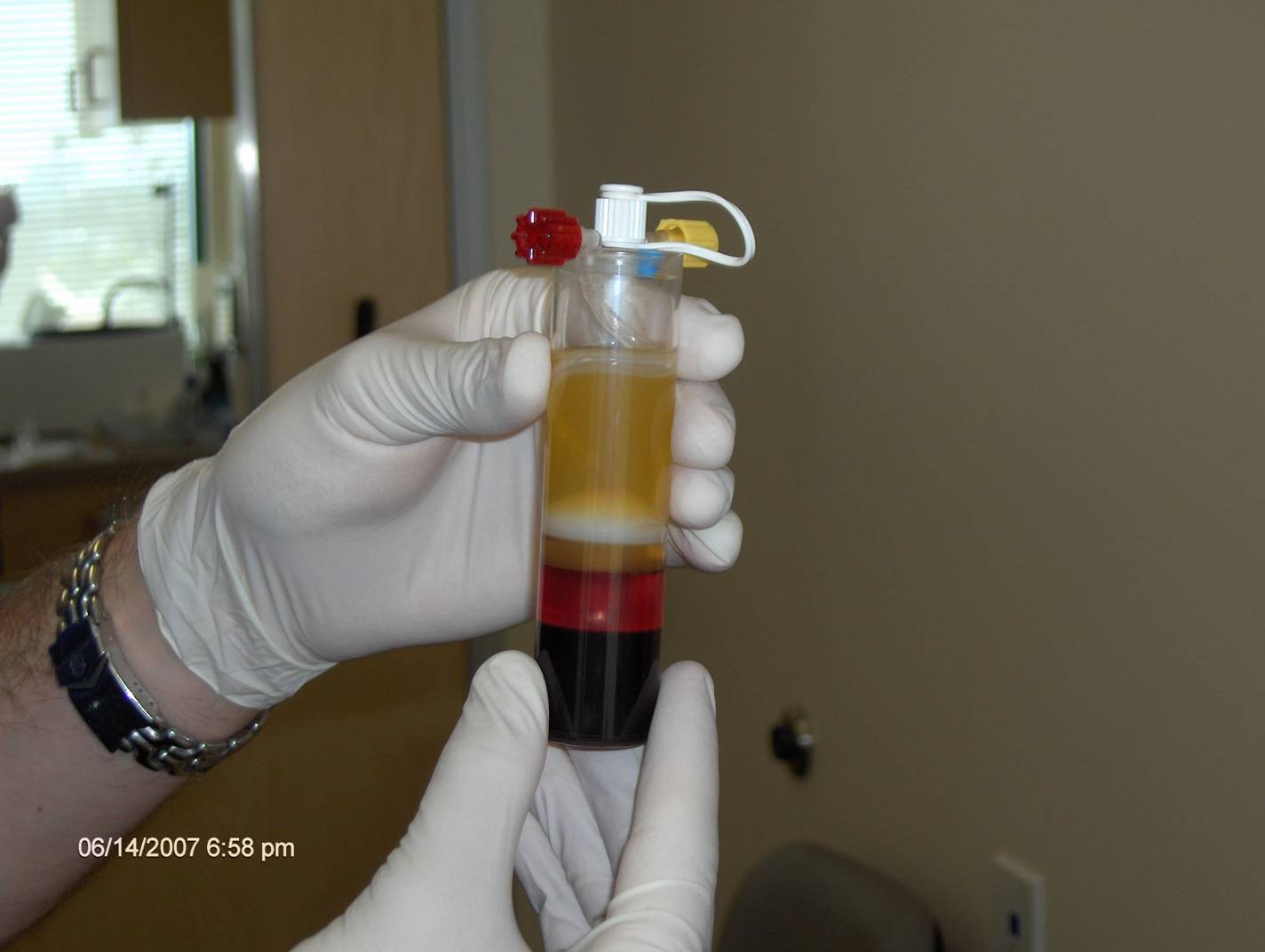
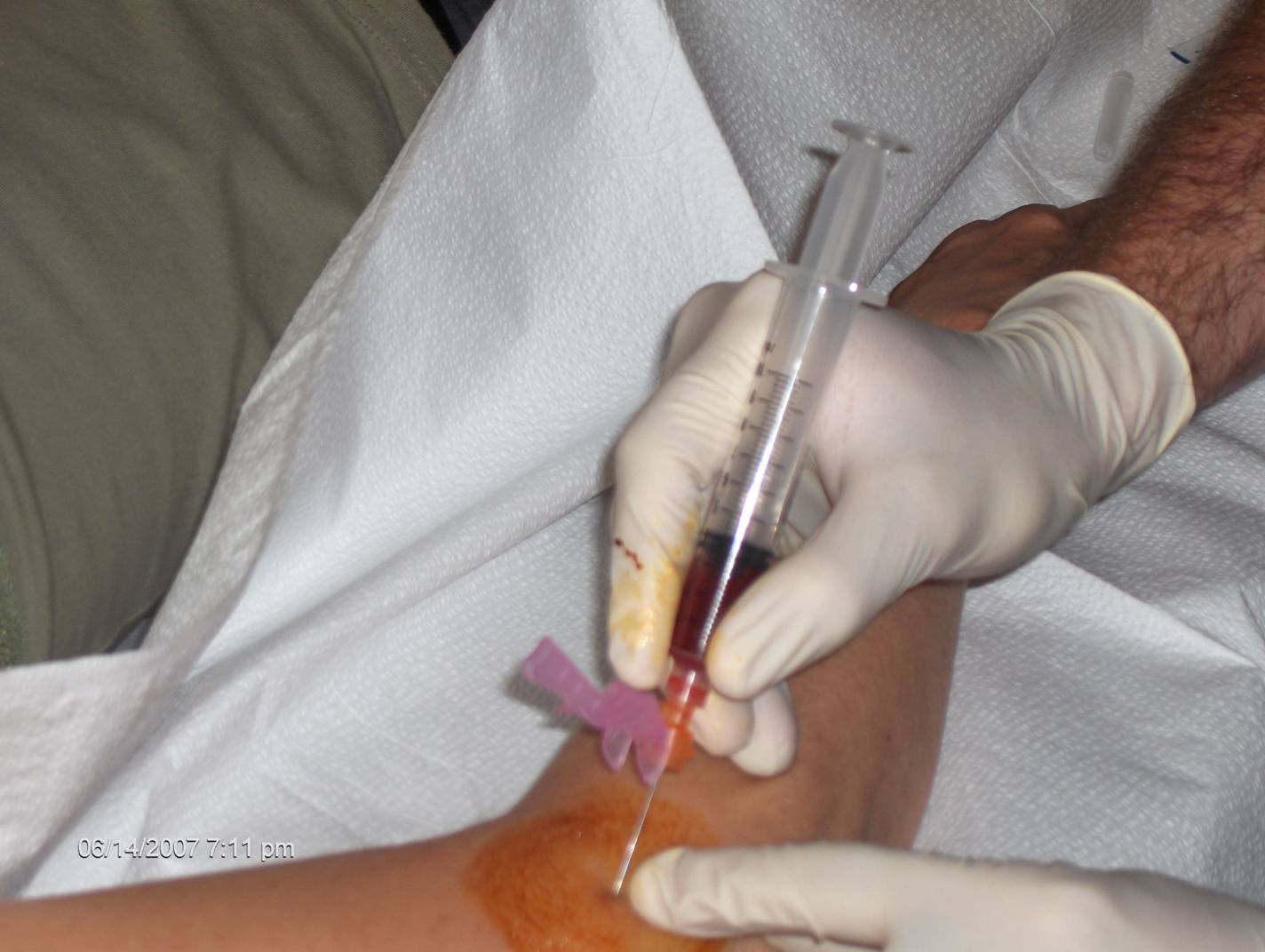
PRP or Platelet Rich Plasma has seen increased use in professional athletes. Recently, Takashi Saito, a star pitcher for the LA dodgers suffered a tear of his ulnar collateral ligament. In efforts to accelerate healing and to avoid a Tommy John surgery, Saito elected to receive the prp injection graft. As a result, He was able to pitch in the playoffs without limitations.

We have treated other professional athletes with similar results. PRP can be thought of in both high level athletes to accelerate recovery or in chronic non-healing injuries that have persisted despite conservative treatment or even surgery.

Hopefully as more high level athletes receive this treatment, it will increase awareness about this procedure that has very little downside and tremendous potential.

http://www.latimes.com/news/printedition/front/la-sp-dodfyi3-2008oct03,0,1021170.story

Also, Stanford University Football players have been receiving platelet Rich Plasma injection grafts with success.

http://www.sfgate.com/cgi-bin/article.cgi?f=/c/a/2008/09/30/SPL7138OOQ.DTL

There is currently a multi-center FDA study on tennis elbow that will be enrolling more patients soon.
www.orthohealing.com

Also we are working on another PRP knee arthritis study based on the previously successful pilot study.

New Platelet Rich Plasma Studies Underway


Technorati blog directory
As testament to the growth in the biologic sector, numerous orthobiologic companies worldwide are funding research & are obtaining grants with PRP use.


Applications of study include plantar fasciitis, achilles tendinosis, congestive heart failure, peripheral vascular disease, systemic sclerosis (scleroderma), knee MCL tears, perodontal tissue, aortic aneurysms, coronary artery bypass, tennis elbow, and rotator cuff tears among others. I am currently conducting research specifically on knee arthritis.
www.orthohealing.com

http://clinicaltrials.gov/ct2/results?term=platelet+rich+plasma

http://www.trialregister.nl/trialreg/admin/rctview.asp?TC=1420

http://clinicaltrials.gov/ct2/show/NCT00198185?cond=%22Tendon+Injuries%22&rank=1

http://clinicaltrials.gov/ct2/show/NCT00761423

Technorati blog directory

LA Times article emphasizes non surgical approach to arthritis


ar
Technorati blog directory
Following the well publicized NEJM article suggesting the ineffective role of arthroscoopy in arthritis, many are looking for alternative treatments that are cost effective with little risk. This article from the LA Times highlights some options including an exercise program, physical therapy modalities, and weight loss. While I agree that physical therapy is beneficial, as is maintaining an active lifestyle; often we need to address the internal biochemical environment of the joint. This may be achieved with Platelet Rich Plasma Therapy. Our knee arthritis clinical trials continue to show promising results in most cases. I have the 3 mo data in & I am collecting 6 mo data in a few weeks from now. These results will be published.

http://www.latimes.com/features/health/la-he-knees22-2008sep22,0,42582.story

Sunday, September 14, 2008

New knee arthritis study suggests arthroscopies are ineffective


Technorati blog directory

Despite the predominance of knee arthritis in the US, there are few good options for patients hoping to relieve pain & improve function. Physical therapy can help to increase muscle tone to the quadriceps muscles to reduce excessive workload on the joint. Also inflexible muscles can be stretched to restore the normal kinetic chain to reduce pain & prevent further aggravation of symptoms. Orthotics & braces may decrease the mechanical forces that are adding stress on the joint. However these treatments will not influence the underlying inner cartilage defects and biochemical environment.

Knee arthroscopies are quite popular and certainly have a role in particular cases including severe meniscus and ACL tears. However in a recent study in the New England Journal of Medicine, there was no demonstrable benefit of knee arthroscopies for moderate to severe knee arthritis compared to physcial therapy and medications. 92 surgical patients and 86 controls (Physical therapy & medications) were compared over 2 years.


http://content.nejm.org/cgi/content/short/359/11/1097

The article was reviewed recently in the LA Times.
http://www.latimes.com/news/nationworld/nation/la-sci-knee11-2008sep11,0,1198164.story

This article should raise awareness that we need to develop innovative approaches to maximize healing in an increasingly active population. Over 27 million Americans have osteoarthritis.

We are performing Platelet Rich Plasma Injection Grafts in hip and knee arthritis with encouraging results. The field of orthobiologics is rapidly growing and promises to deliver new approaches to treating tendon and cartilage disorders. In my practice we are treating meniscal tears immediately to accelerate healing. Many patients do not need an arthrocsopy after 2 months of the PRP graft and physical therapy. By potentially avoiding surgical meniscal repairs, we hope to reduce the incidence of subsequent arthritis. We are conducting studies to further refine the treatment to achieve a maximal result.

Wednesday, August 13, 2008

Dr Steven Sampson publishes new Platelet Rich Plasma article


Technorati blog directory

My PRP review article is now published in the Current Reviews in Musculoskeletal Medicine. http://www.springerlink.com/content/5708408818n30275/ The online version is available, and the printed version is coming soon. The article includes nearly 50 literature sources and provides a comprehensive overview regarding platelet rich plasma usage in orthopaedics and sports medicine. Also, the review discusses the promising realm of orthobiologics and describes experiences with using platelet rich plasma for cartilage disorders and osteoarthritis.

I have been conducting research on arthritis with encouraging results so far. I am planning on collaborating with other leading physicians and publishing many more articles to advance the field of orthobiologics.

Wednesday, June 18, 2008

New FDA Approved Study with Adult Bone Marrow Stem Cells in Vascular Disease


Technorati blog directory

Using One's own adult stem cells taken from bone marrow, researchers are studying the effects of potentially preventing amputation in ischemic (poor blood supply)limbs. Doctors do a minimally invasive procedure obtaining stem cells, then much like PRP or platelet rich plasma they increase the concentration and then inject it. Doctors are injecting multiple sights just beneath the tissue in the blood flow deprived extremity. We look forward to following this study & the results that follow.

http://www.biomet.com/patients/clinical_recruitment_padstudy.cfm

Adult Stem Cells for Arthritis?


Technorati blog directory

Perhaps the next frontier beyond PRP is Stem Cells. While the topic is the subject of much controversy politically, technology now allows us to utilize adult stem cells opposed to embryonic cells to treat disease.

Stem Cells are the birthplace of platelets rich in healing properties, which can potentially program cells to regenerate tissue & cartilage. Currently stem cells can be retrieved via embryo (controversial in US), umbilical cord, bone marrow, peripheral blood, & in the near future adipose (fat) cells via liposuction.

Peripheral blood, or simply drawing blood from a patient's arm is the least invasive & most promising method. Patients require a shot or medication to release stem cells from the marrow to the blood stream. It can then be processed & used for injection. In the future patients may have the option to store unused stem cells for future use as well.

Stem cells are being used in the US mostly for cancer patients to assist in recovery from the ill effects of chemotherapy. A few practitioners are using them orthopaedically with reportedly good results in arthritis. Internationally there are centers where patients seek alternative treatment to serious diseases like spinal cord injury, multiple sclerosis, and ALS.


There is an adult stem cell organization which lists numerous articles & personal stories.

www.adultstemcelleducation.com

New Biologics Textbook Includes Platelet Rich Plasma (PRP)


Technorati blog directory
A new textbook was released by Jennifer E. Woodell-May and William S. Pietrzak which includes a chapter reviewing PRP. The chapter includes a literature review including case reports that suggest the multitude of potential applications.
One of the chapter's authors, Jennifer Woodell-May has produced insightful research regarding the role of growth factors & their concentrations.

www.springerlink.com/content/h25275w189773071/

Sunday, May 4, 2008

New PRP Platelet Rich Plasma Knee Arthritis Study


Technorati blog directory
We are beginning clinical trials of Platelet Rich Plasma (PRP) injections in patients suffering with knee arthritis. There is an increasing "boomer" population with earlier knee arthritis as a result from prior trauma including meniscal tears & arthroscopies with scarring and cartilage loss etc. This phenomenon is termed "chondropenia." We are searching for non-invasive alternatives to knee replacements in these active individuals.

Patients will receive a series of injections under ultrasound guidance to insure proper placement. X-rays and MRI's, are taken into account & cartilage growth will be measured on serial ultrasound evaluations. Multiple pain score measures will be recorded as well. We plan on publishing this data so that the medical community can learn more about the promising role of PRP injections in cartilage disorders.

Wednesday, March 19, 2008

Platelet Rich Plasma Injection for Hip Bursitis


Technorati blog directory

After initially successfully injecting many patients with tendon & ligament problems, we have been expanding use of PRP to numerous regions including greater trochanteric hip bursitis among others.
A "bursa" is a small fluid filled sac that can be found in many areas that reduces friction of gliding tissues. This bursa fills with synovial fluid as a result of mechanical trauma/irritation & causes considerable pain. Specifically there is a bursa that lies on top of the greater trochanter (femur/hip bone). This pain can be debilitating. Often cortisone injections can be successful & provide temporary relief. However overuse of cortisone can cause adverse effects & should be avoided. Therefore PRP (Platelet Rich Plasma) injections under ultrasound guidance offer an appealing & safe alternative.

Below are case reports from a group in Texas that successfully injected PRP for hip bursitis.
http://www.cosociety.org/resources/200603COSnewsletter.pdf

Tuesday, February 26, 2008

New Platelet Rich Plasma (PRP) review article for tendon injuries and arthritis


Technorati blog directory

In a Jan/Feb 08 issue of Practical Pain Management, the authors describe PRP use in tendon injuries, spine conditions, as well as hip & knee arthritis. The article emphasizes a need for agreed upon nomenclature.

An interesting concept addressed is whether a gel matrix is needed for the platelets to adhere to the target site. Because of their structure tendons & ligaments may not require the gel, however it is not known if adding calcium chloride with thrombin to the PRP is needed in joint spaces like knee & hip arthritis. Further data needs to compare the usage with gel versus without.

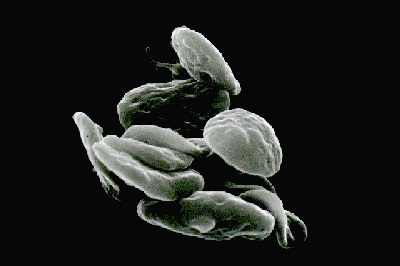
The article showed x-rays post prp injection with subtle smoothing of a previously arthritic femoral head (hip bone). It is not clearly known how PRP acts on arthritis, however a particular growth factor found in PRP, TGF-B has been linked to cartilage growth (chondrogenesis). Furthermore, another study showed that PRP influences hyauloronic acid production which balances cell proliferation (angiogenesis). Also, the authors suggested a possible role in serotonin decreasing pain. Lastly, utilizing "stem cells" (the birth place of platelets and their precursors)may offer the most ultimate potential.

http://www.ppmjournal.com/abstract.asp?articleid=P0801F01

http://prpinjection.blogspot.com/2007/11/new-article-on-osteoarthritis-and.html

Sunday, January 27, 2008

Treatment of Achilles Tendinosis with Shock Wave Therapy


Technorati blog directory

An article from Jan 08'in the JBJS (Journal of Bone & Joint Surgery), that documented low energy shockwave therapy was effective in treatment of non-healing achilles tendinosis. The randomized controlled trial showed that 64% of patients receiving shock wave(group I) were completely recovered or much improved, versus 28% of those who received an eccentric loading exercise program (group II).

The study looked at 50 patients who have had pain for > 6months & failed conservative treatments.

http://www.ejbjs.org/cgi/content/abstract/90/1/52

I have been treating many patients lately (more than 50, with various injuries including achilles tendinosis, plantar fasciitis, tennis elbow, & bicep tendonosis with favorable results. I have all patients complete questionnaires 6 weeks after their initial treatment to determine a useful role for shockwave in my practice.

Ultimately I invision a protocol implementing various modalities to maximize the body's innate ability to heal itself. Furthermore, I am exploring the potential role of hyperbaric oxygen therapy.

I will soon post results from the 150 or so shock wave treatments I have done. However, larger studies requiring double blinded methods are required so that we can learn more about shockwave therapy.